Remix the Future: AI Predictions Shaping Music in 2026
Stefan Slattery
•
•
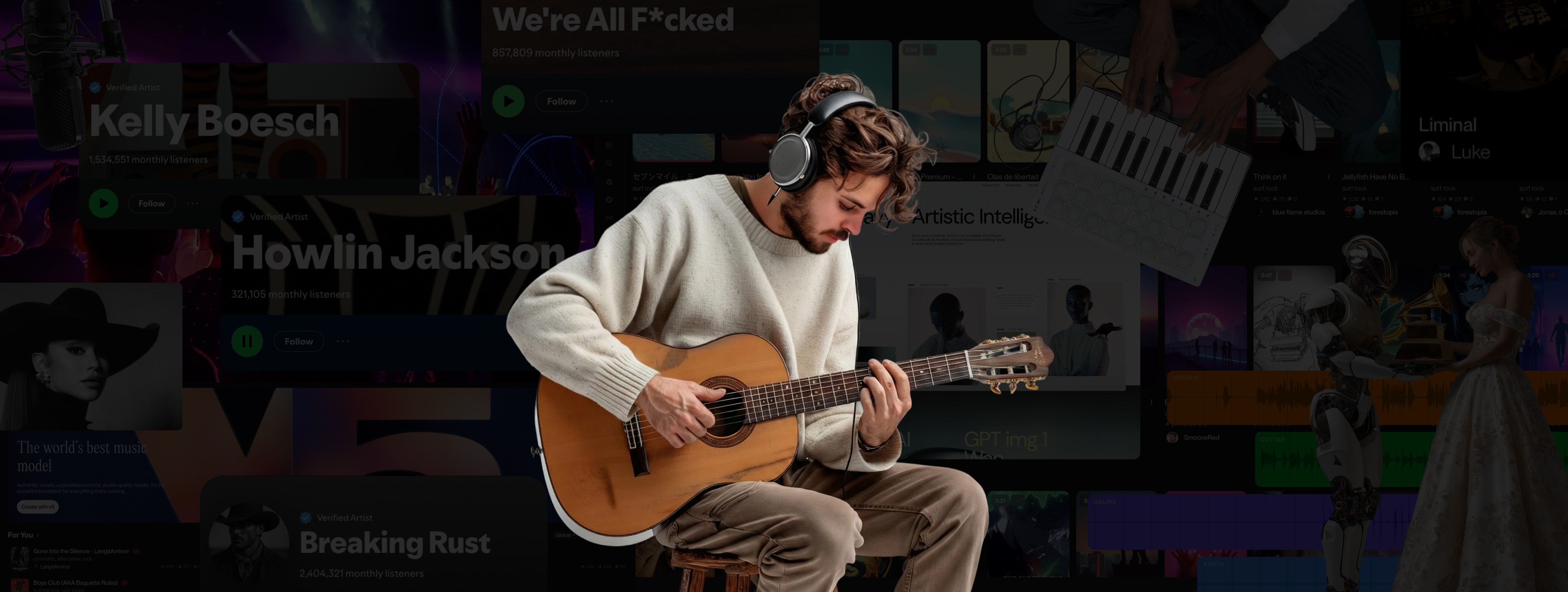
As a longtime web development and digital partner to major music labels, Halo has had a front-row seat to the tech revolutions that have reshaped the industry time and again—from the chaos of Napster to streaming’s takeover. The machine adapts, innovates, and the well-oiled machine keeps chugging. But AI isn’t just veering the ship right now— it’s steering everything from how music is created, to what’s consumed.
By late 2025, AI tools like Suno and Udio ballooned from 12 million to over 100 million users, cranking out tracks that rack up millions of streams on platforms worldwide, even landing a #1 hit on Billboard’s Country Digital Song Sales chart to round out the year. This technology has enabled musicians to create music that once demanded weeks worth of studio time and thousands of dollars — from anywhere, in seconds.
For independent artists like me, this is a game-changer: a miraculous tool that removes hurdles of budget, time and access. I’ve lost count of how many forgotten demos I’ve dusted off and breathed new life into with Suno — all from the comfort of my bed, while my daughter sleeps next to me. Even poets are finding joy in AI creation, adding a musical twist to their powerful written word. But what does this mean for major labels, superstar artists, fans, and the future of music? Here are my predictions.
Remix Resurgence: Global, Fan-Fueled and Unstoppable
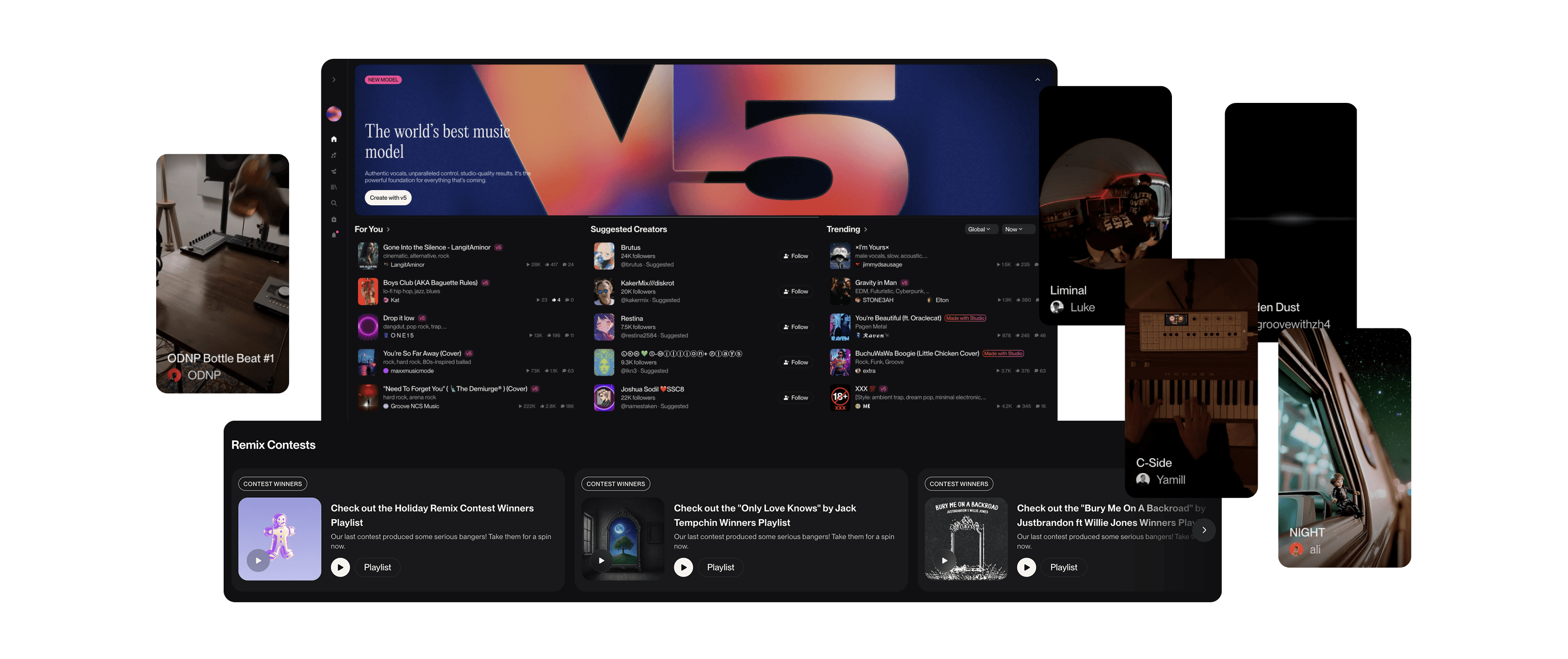
Remember mixtapes and remixes? That collaborative culture quietly died off as streaming prioritized polished singles and algorithms. AI music creation apps are not only bringing back the collaborative spirit, but doing it in ways that were never thought possible — and with no gatekeepers (yet, anyway). Suno has already stood up their own social ecosystem, letting users remix each other’s tracks, hooks, and loops, complete with contests for the crowd favorites.
Prediction: Labels and A-listers will follow suit, albeit reluctantly at first, until they see the potential: music becomes a never-ending global collaboration. Labels will drop official stems or hooks from catalog hits into licensed platforms, and fans will remix them into entirely new genres or sounds, giving old albums a second life. It’s the ultimate “tell us what you want to hear”, driven by music fanatics. Imagine hearing your own remix blasted live at a concert — far-fetched yesterday, but inevitable tomorrow.
AI as a Partner, not a Replacement
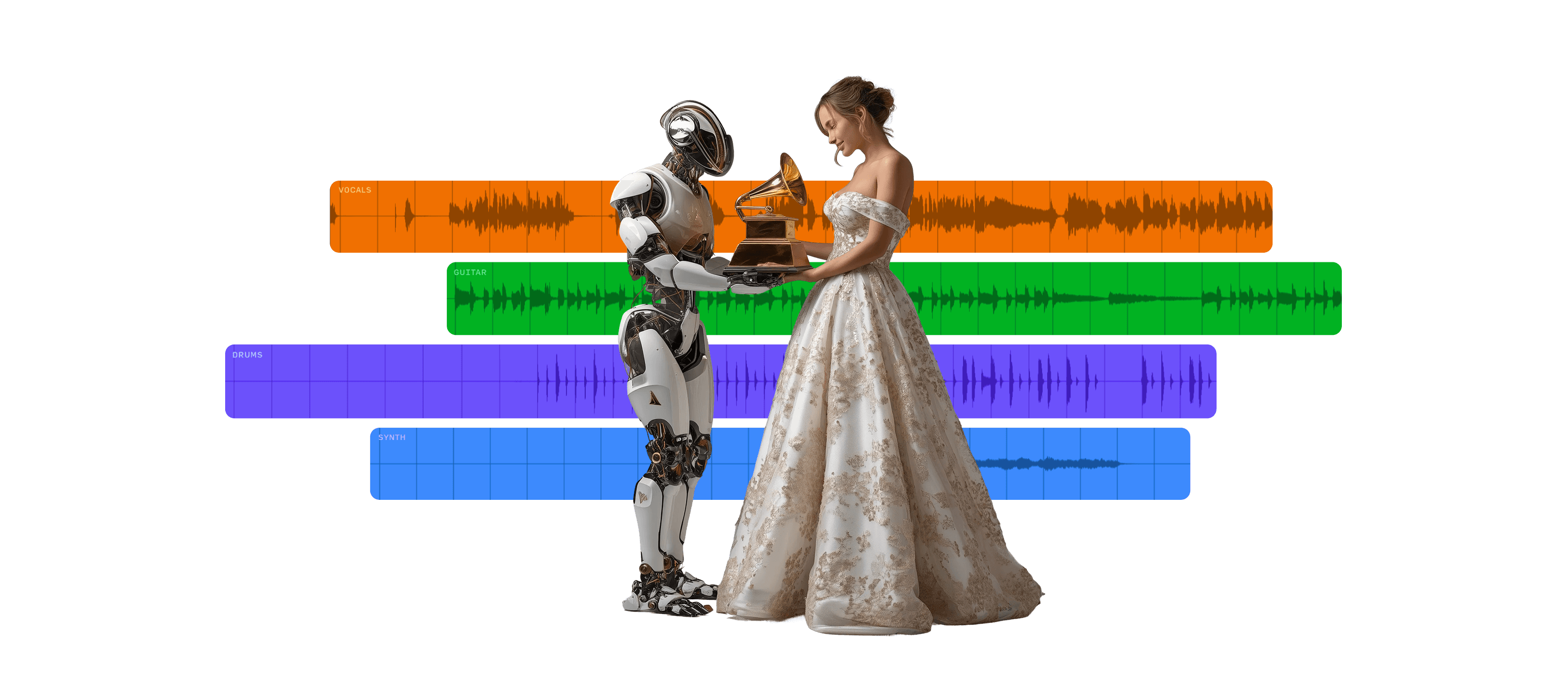
Stem separation still has a ways to go, but in no time, artists will be layering real vocals over AI foundations and blending live instruments for richer sounds. AI partnership is happening already: studios are hiring musicians to “humanize” promising AI demos into final releases. We worry AI will steal our jobs, but in this case, it’s creating them—proving concepts quickly, then rebuilding with talent that has a (human) pulse.
Prediction: By 2027, Grammy nods (not official categories, yet) for 'Best AI-Assisted’ and ‘Best AI Album’ won't just exist, they’ll be sought after. This will likely continue to ruffle feathers across the industry, but I can tell you from personal experience that crafting a cohesive AI album isn’t “easy” — it takes endless prompt iterations, hours of critical listening, disappointment, frustration, DAW finessing and a lot of legitimate skill. It speeds things up, but will never replace an artist’s eyes or ears. This era opens the doors to a new type of creator: the AI mixologist, blending tech with raw talent.
Fan-Lead Sounds: Flipping the Standard
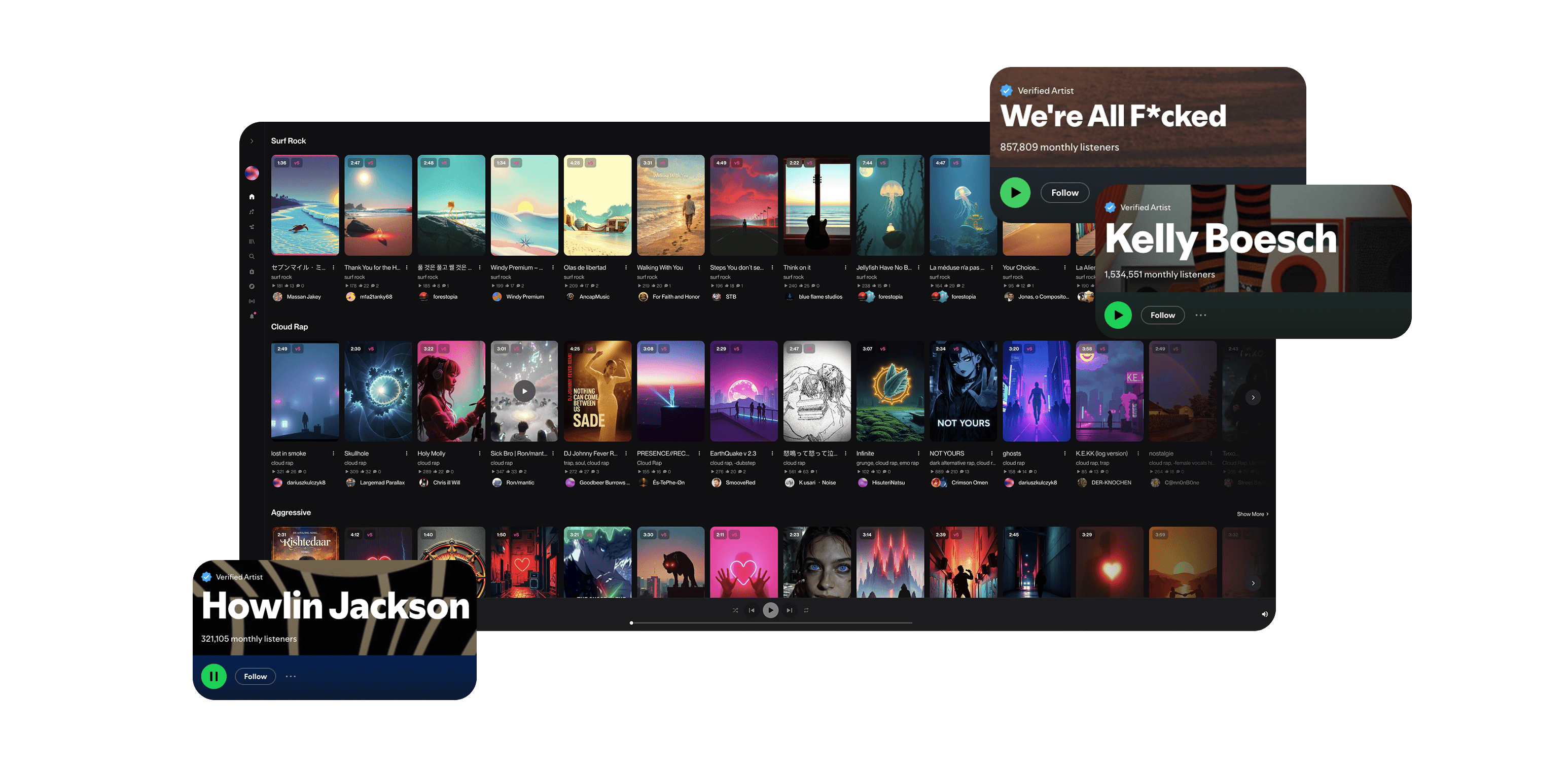
The possible shift I’m most fascinated to witness is fans steering the musical trends of the future more directly. For years, the popular cultural sound has largely been dictated by the world’s biggest stars. As these viral hits have evolved, elder music aficionados have shaken their heads at the sounds clogging the airwaves — and even young, modern music fans have a list of ear-worms they dread hearing at the grocery store. So much repetition, not enough discovery… especially considering the sheer volume of music out there.
Prediction: Indie creators will generate fresh sounds that outshine tired formulas, tipping the scales in an entirely new direction. Data already shows AI tracks pulling listeners from mainstream loops. For the first time, I think music trends will be dictated by listeners themselves, with top artists and labels following closely to adopt those sounds. Data influencing music, not music influencing taste. Streaming platforms will need deals for crossover, or risk fans migrating to AI-native apps for their everyday listening. Why listen to what’s being pushed, when you can ask for something entirely new?
Indie Competition: Leveling the Playing Field
I have friends that have been chasing the “big break” music dream for decades — with consistent work ethic, extreme talent, and little payoff. Independent musicians simply don’t have the backing for promotion, and streaming only prioritizes well-funded or viral music. And given how algorithms work, it’s nearly impossible to organically “go viral” on talent alone.
Prediction: AI will somewhat even the odds by affording indies quadruple output, smarter testing and direct fan reach — and unknowns will compete with A-listers on platforms built for discovery. There’s definitely a flood risk (since anyone can prompt a song), but I stand firm in my belief that real artists will always stand out unmistakably, even more-so with AI backing them. Just the other day, I spotted an artist as AI from one single phrase in a song. AI doesn’t have a soul, and it never will.

AI Concerts: Familiar, but New
I recently found myself obsessing over an AI act with almost 3M streams on their top song — and it dawned on me that I might never be able to see them play “live”. Since AI bands don’t necessarily come with “real” musicians, how could they possibly play shows, or tour?
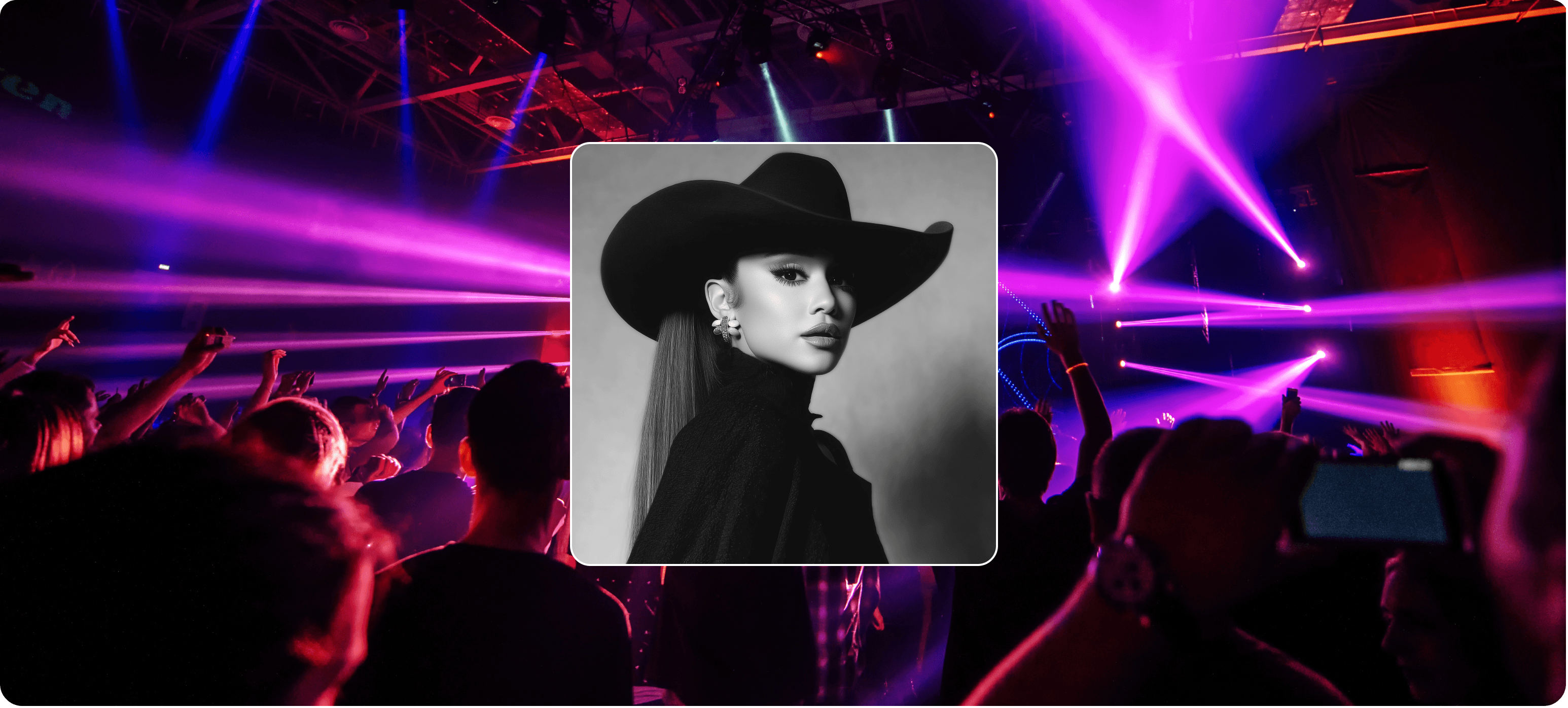
Prediction: Themed concerts, much like “Emo Night” — think “Ariana Grande, but Country”. Some electronic bands have already adopted this model, playing their tunes live as a DJ set, with no live singing — just mixing. Fans will gather to listen, dance and enjoy the sounds of their favorite AI acts or remakes blasting through stage monitors, with the creators at the helm, moving the crowd.
Where Do We Fit?
At Halo, we’ve adopted AI the way we believe all industries eventually will. Our data-driven creativity equips any client to thrive in this remix era: weaving AI tools into workflows, crafting products that celebrate the AI-human duet, and scaling engagement without the echo chamber or resistance. We’re not giving our jobs to AI — we’re giving AI a job. And we’re excited to see how these tools evolve alongside labels’ artist-first approach as we launch into this new era of listening and creating.